Dave Thompson May 27, 2026 680 Views
Keyword targeting still matters, but it no longer explains how AI search systems decide what to summarize, cite, or trust. An entity-driven page is a page built around a real-world concept and its relationships, not just a phrase match. That shift matters because AI systems read pages as connected facts about organizations, people, services, locations, and topics. For agencies, this changes the job from ranking a page for one query to making a client’s expertise legible to search engines and answer engines at scale.
The End of the Keyword Era
For years, agencies could win with tight keyword mapping, basic on-page optimization, and enough backlinks to push a page into position. That model hasn’t disappeared. It has narrowed.
AI search systems don’t just match strings. They try to understand what the page is about, who is behind it, what related concepts it covers, and whether the information fits a known entity graph. A page about “emergency plumber Phoenix” now competes on more than phrase relevance. It competes on clarity, structure, supporting relationships, and whether the business itself is defined consistently across the web.
That’s why “Beyond Keywords: Building Entity-Driven Pages for AI Search” isn’t a trend piece. It’s an operational shift for agencies that want to keep organic search valuable for clients.
What changes in practice
An entity-first page does three things differently:
-
It defines the main subject clearly: The page identifies the business, service, author, place, or product in language machines can parse.
-
It connects related concepts: Services, locations, credentials, reviews, tools, and supporting topics are linked as part of one coherent subject area.
-
It removes ambiguity: Search engines don’t have to guess whether the page is about a business, a generic topic, or a local service intent.
Practical rule: If a machine has to infer the most important relationships on the page, the page is under-structured.
The agencies that adapt fastest usually stop asking, “What keyword should this page target?” and start asking, “What entity should this page prove, and what relationships must we make explicit?”
Why AI Search Demands a Shift to Concepts
AI search changed the unit of optimization. Agencies that still build content around isolated keyword targets will have a harder time earning visibility, citations, and assisted conversions for clients.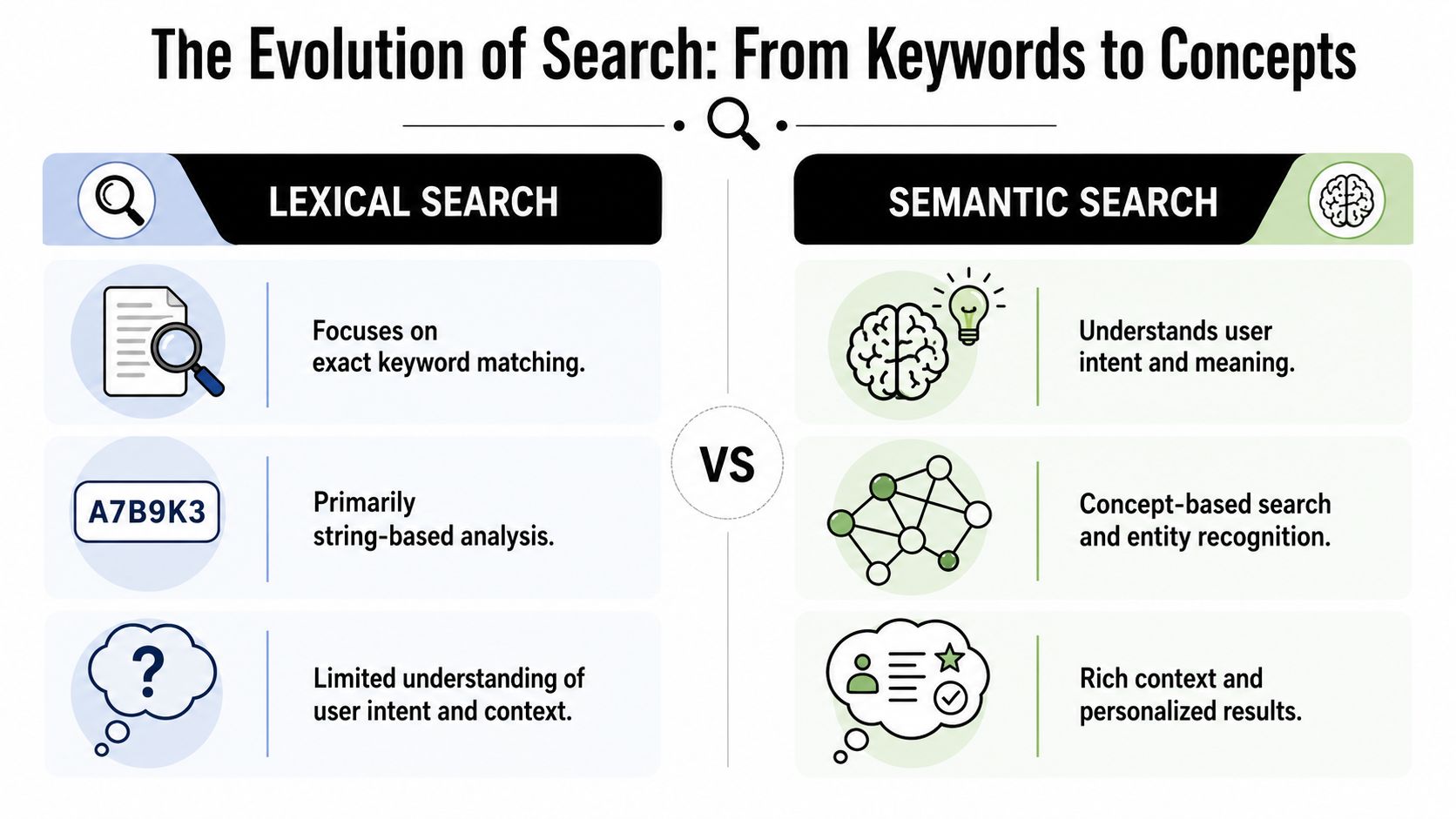
Keywords signal demand. Entities define the subject.
Keywords still help identify what a searcher wants. They do not give AI systems enough structure to understand who, what, where, and how the page connects to known concepts.
That gap matters in real client work. A page can include the right phrase and still underperform if the business, service, service area, author, credentials, and related topics are vague or disconnected. WiRe Innovation reports in its analysis of SEO entities that entities now outweigh keywords in AI search, and that pages using H2 and H3 headings for key entities, internal linking, and natural contextual coverage saw 25 to 35 percent stronger topical authority, while entity-optimized sites saw SEO influence metrics rise 40 percent after ChatGPT’s 2022 launch.
For agencies, this shifts the brief. The question is no longer only which keyword a page should target. The better question is which entity the page needs to establish, and which supporting relationships need to be explicit enough for search systems to reuse.
Why this changes agency deliverables
Traditional SEO production is built around page-level keyword mapping. That model is easy to assign, easy to outsource, and easy to report on. It is also limited.
AI search favors pages that behave more like structured knowledge assets than isolated landing pages. Agencies do not need an in-house development team to adapt, but they do need a repeatable production model. In practice, that means using content templates, schema controls, internal linking rules, and a shared knowledge graph strategy for multi-client SEO programs that can be rolled out through a white-label platform.
| Search model | What it favors | What agencies need to build |
|---|---|---|
| Lexical search | Phrase alignment | Keyword-mapped landing pages |
| Semantic search | Meaning and context | Entity hubs and relationship-rich pages |
| Generative search | Reusable facts and trusted structure | Pages that can be cited, summarized, and linked to known entities |
WiRe Innovation also notes in the same SEO entities analysis that Google’s Knowledge Graph, introduced in 2012, powers 15 percent of queries directly and influences 35 percent indirectly through entities. That helps explain a pattern agencies already see in audits. Thin pages with decent on-page targeting lose ground to pages that clearly define the business, connect supporting concepts, and remove ambiguity.
What AI systems reward
The winning pattern is usually straightforward:
-
Clear entity definition: the page identifies the business, service, location, person, or product in language machines can parse.
-
Visible relationships: services connect to locations, providers connect to credentials, reviews connect to offers, and subtopics connect back to the main subject.
-
Consistent reinforcement: headings, body copy, schema, and internal links support the same interpretation instead of sending mixed signals.
Scalable execution matters. Agencies need a process that junior writers can follow, account managers can explain, and clients can see in reports. Entity-driven SEO works best when it becomes a production standard, not a custom experiment reserved for the largest retainers.
The Anatomy of an Entity-Driven Page
Entity-driven pages win because they reduce ambiguity. For agencies, that matters at production scale. A page that clearly defines who the client is, what they offer, where they operate, and how related topics connect is easier for search systems to interpret and easier for account teams to defend in reporting.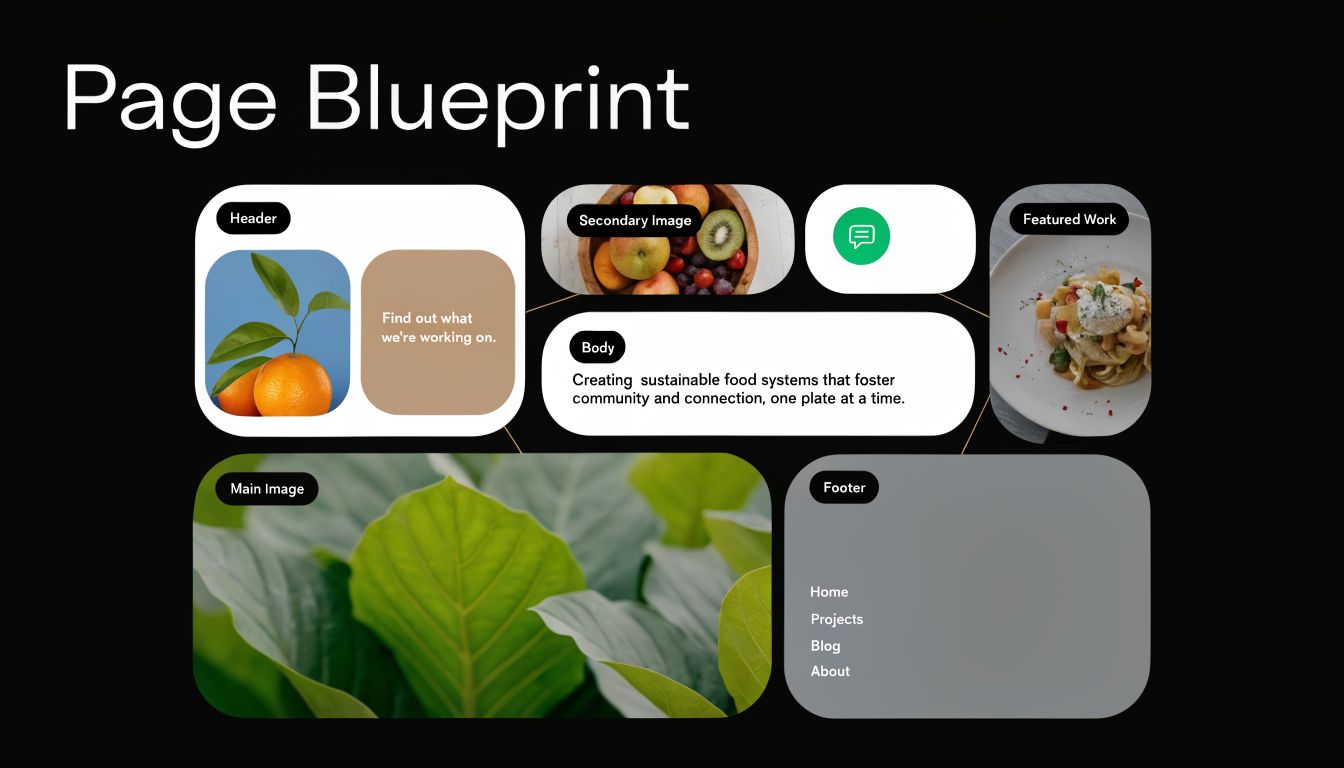
Structured data that defines the entity
Structured data gives crawlers a cleaner read on the page than copy alone. In Search Engine Land’s analysis of entity authority and AI search visibility, the publication reports that implementing a content knowledge graph with Schema.org vocabularies in JSON-LD can drive a 300% improvement in LLM response accuracy, that sites using error-free advanced schema see 20-40% traffic lifts, that Schema.org supports over 800 specific types, and that 70% of top AI Overviews cite entity-rich domains.
The practical takeaway is narrower than many agencies assume. More markup is not the goal. Accurate markup is the goal.
A service page should usually identify the primary entity, the service, the location if it matters, and any supporting proof signals that can be marked up without stretching the truth. White-label fulfillment teams can standardize this with schema templates by page type, then let strategists adjust fields for each client vertical instead of asking developers to custom-build every implementation.
Semantic HTML that mirrors the topic model
Page structure should reflect how the subject breaks down.
That means headings built around supporting entities and decision points, not slight variations of the target keyword. A law firm service page might cover the attorney handling the matter, jurisdictions served, case types, process, timelines, and outcomes clients care about. A local HVAC page might cover repair types, service areas, emergency response, financing, maintenance plans, and technician credentials.
This improves more than readability. It gives retrieval systems cleaner passages to extract, summarize, and cite.
Agencies that want repeatable output should connect page structure to a site-wide entity model. Teams that review knowledge graph benefits for SEO and search understanding usually see the same operational benefit. When the relationships are defined at the site level, writers and white-label production teams can build pages faster without creating conflicting signals between service pages, location pages, bios, and FAQs.
Internal links that create a usable graph
Internal linking turns isolated pages into a working entity graph. This is one of the easiest places for agencies to improve results without a redesign.
The pattern is simple:
-
Hub pages establish the main service, brand, or category entity.
-
Supporting pages expand related services, locations, practitioners, products, or proof assets.
-
Anchor text clarifies the relationship instead of repeating the same commercial phrase across every link.
A dental implant page, for example, should connect to sedation options, aftercare guidance, financing, reviews, and the treating dentist’s profile. Those links help search systems confirm that the clinic, provider, treatment, and patient questions belong to the same topic cluster.
This is also where agencies can show tangible value to clients. Better internal linking is easy to document, easy to scale through a white-label platform, and easy to report as coverage gained across service relationships, supporting assets, and local relevance.
A Scalable Framework for Agency Implementation
Entity SEO fails at the agency level for a simple reason. Production breaks before strategy does.
Agencies rarely lose these projects because the team does not understand entities. They lose them because audits sit in slides, writers get vague briefs, developers become a dependency, and reporting never shows what changed on the page. A scalable process has to remove those points of failure.
Start with entity gap analysis
Audit the account the way AI systems read it. Review the client site against competitors that appear in AI summaries, strong organic results, and local packs. The goal is to find missing entities, weak relationships, and unsupported claims.
Check for gaps in three areas:
-
Business identity signals: organization schema, author entities, sameAs references, and consistent naming across the site
-
Service relationships: defined offers, service areas, reviews, FAQs, and supporting pages tied to each core service
-
Credibility entities: certifications, tools, memberships, awards, partnerships, and press coverage that can be cited on-page
This part needs a repeatable scorecard. Agencies that document entity coverage by template can apply the same review across twenty local service clients without rebuilding the process each time.
Build briefs writers can execute
Writers do better work when the brief explains what the page needs to establish. That means naming the primary entity, the related entities, the claims that need proof, the internal pages to reference, and the schema type the production team plans to publish.
I usually treat this as a production brief, not a creative brief. If the page is for a multi-location roofer, the writer should know which service variants matter, which city or neighborhood entities need support, which trust signals belong on the page, and which FAQs answer real buying questions. That cuts revision cycles and gives white-label teams a spec they can follow without an SEO strategist reviewing every paragraph.
Centralize execution and reporting
Search Engine Land has reported that agencies struggle with E-E-A-T and AI search visibility when structured data and entity signals are inconsistent, especially across reseller workflows (Search Engine Land on entity-focused home pages and reseller workflows). The practical takeaway is straightforward. Manual execution does not hold up well across dozens of client accounts.
A better operating model centralizes four tasks: audits, page production, schema deployment, and reporting. That is the difference between selling entity SEO as a strategy and delivering it as a service line.
For agencies without in-house developers, white-label systems make this workable. The platform should let the team standardize page templates, push required markup, validate implementation, and report changes in a client-friendly format. Agencies already offering white-label local SEO services for multi-location and service businesses can fold entity work into the same fulfillment process instead of creating a separate technical workflow for every account.
Agency Platform fits that model because it combines a brandable dashboard, fulfillment support, and reporting in one place. For resellers, that is usually more practical than stitching together separate writing, schema, ticketing, and reporting tools and hoping each handoff stays clean.
From Theory to Practice A Local SEO Example
A local plumber page shows the difference clearly.
The old version is familiar. The title tag pushes “plumber in Phoenix.” The copy repeats city plus service phrases. The page lists generic benefits, adds a phone number, and maybe includes one testimonial. It can still rank, but it leaves a lot for Google to infer.
The better version starts with the business as an entity. The page names the company, defines it as a plumbing service, specifies service areas, and explains which emergency services are available. It introduces related services such as drain cleaning, leak detection, water heater repair, and same-day emergency response as connected offers, not orphaned keywords.
What the upgraded page includes
-
Business identity: organization details, review signals, and consistent brand references
-
Service area clarity: neighborhoods or cities served, written as actual service coverage
-
Specific offers: emergency drain cleaning, water heater replacement, slab leak repair
-
Trust cues tied to entities: licensed technicians, named team members, review content, FAQs
The content also links out to more specific service pages and supporting local pages. That creates a small, usable graph around the plumbing business rather than a single over-optimized landing page.
For agencies managing local accounts, broader local SEO services for multi-location and service businesses fit naturally. Local visibility now depends on whether the business, locations, services, and proof signals are connected consistently enough for both local search and AI-generated answers.
What doesn’t work
What fails most often is partial implementation. Agencies add schema but keep thin copy. Or they write deep copy without clarifying the business entity. Or they create city pages that all say the same thing with swapped location terms.
Entity-driven local SEO works when the page reflects a real business model, not a keyword template.
How to Measure Entity-Driven SEO Performance
Entity-driven SEO changes what agencies need to report. Rankings still matter, but they are now one signal inside a wider visibility model.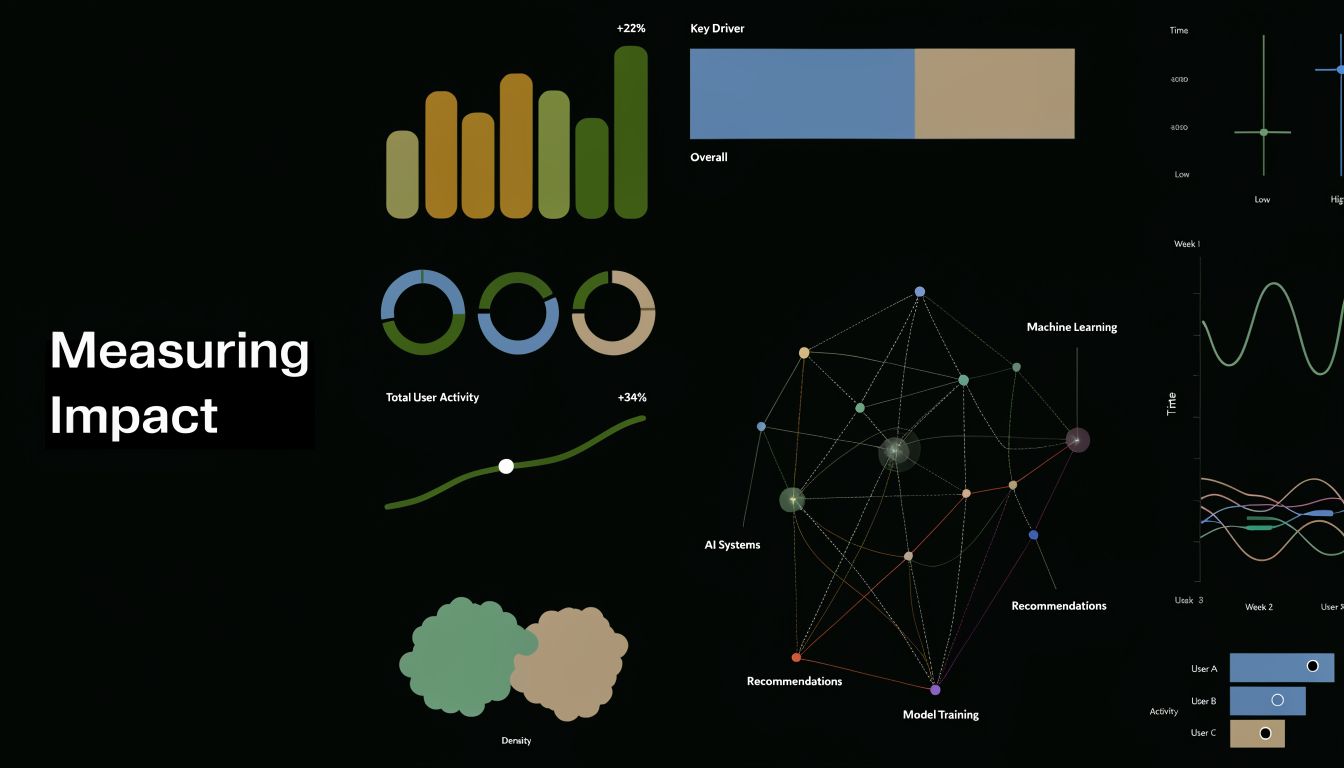
The KPI shift agencies need
Reporting breaks down when agencies try to explain AI search performance with rank charts alone. An analysis of entity gap reporting and AI search measurement notes that 55% of SEO resellers can’t quantify AI search impact and 80% of agencies cite reporting as a top pain point. The same analysis argues agencies should track assistive share through AI citations, and that pillar pages can improve that metric by 3x.
For agency teams, the practical takeaway is simple. Build reporting around whether a client is being recognized, cited, and chosen across search experiences, then connect those signals to leads and revenue. That approach is also easier to scale through white-label platforms, since agencies can standardize dashboards, page groups, and conversion reporting without custom development for every account.
Metrics worth showing clients
| Metric | Why it matters |
|---|---|
| AI citation presence | Shows whether the brand appears in generated answers and summaries |
| Knowledge panel and entity richness | Indicates stronger entity recognition tied to the business |
| Entity salience on key pages | Confirms whether core service and location pages are clear about the topic they cover |
| Leads tied to entity pages | Connects page improvements to calls, forms, booked jobs, or pipeline |
A good report answers one business question. Is the client becoming easier for search systems to understand and easier for buyers to choose?
What to stop overemphasizing
Broad informational rankings often create the wrong conversation. Agencies win more trust when they report on page groups, citation visibility, conversion paths, and branded demand alongside rankings.
I have seen this change client conversations fast. A service page may hold steady in traditional rankings while gaining better citation visibility in AI answers, stronger branded searches, and more assisted conversions from users who first encountered the brand in a summary experience. If reporting only shows position changes, that progress disappears.
The better model is operational, not theoretical. Use a repeatable dashboard that blends search visibility, entity signals, and lead data at the page level. White-label reporting platforms make that practical for agencies managing dozens of clients, especially when the team needs to prove results without relying on in-house developers or manual slide decks.
Frequently Asked Questions About Entity SEO
Do keywords still matter
Yes. Keywords still help map search demand, title tags, headings, and user language. They just aren’t the full strategy anymore. Use keywords as signposts for topics people search. Use entities to define what the page is about.
How is entity SEO different from topical authority
Topical authority is the outcome. Entity SEO is part of the mechanism.
A site builds topical authority when it covers a subject thoroughly, consistently, and credibly. Entity optimization strengthens that by clarifying the main concepts, their relationships, and the source behind the information.
Can an agency do this without an in-house developer
Yes, if the workflow is constrained and repeatable. Agencies usually don’t need custom engineering for every client. They need a process for choosing schema types, validating markup, standardizing templates, and publishing pages with the same entity logic each time.
What pages should be updated first
Start with pages closest to revenue and trust:
-
Core service pages: They define the business and main offers.
-
Location pages: They clarify service areas and local relevance.
-
Authoritative support pages: FAQs, about pages, team pages, and pillar content often strengthen entity trust across the site.
What is the most common mistake
Treating entity SEO as a plugin task. It isn’t just “add schema.” The page copy, heading structure, links, and business identity all need to align. If one part says one thing and the rest of the site says another, AI systems get mixed signals.
The Agency Mandate in the AI Search Era
Agencies don’t need to abandon keywords. They need to stop treating keywords as the center of the system.
Entity-driven SEO gives agencies a more durable way to build pages that AI systems can understand, reuse, and cite. It improves page structure, strengthens E-E-A-T signals, and gives reporting a clearer path beyond position changes. For local businesses especially, it also brings the brand, service, geography, and trust signals into one coherent model.
The practical challenge isn’t knowing that this shift is happening. It’s delivering it repeatedly across client accounts without turning every campaign into a custom technical project. Agencies that solve that will be in a much stronger position to show value as search becomes more conversational, summarized, and entity-aware.
The work is clear. Define the entity. Map the relationships. Build pages that prove expertise instead of just targeting a phrase. Then report on visibility in the environments where buyers now get answers.
If your agency wants to offer entity-driven SEO without building the entire fulfillment and reporting stack internally, Agency Platform gives you a white-label path to deliver branded dashboards, ongoing optimization, and scalable execution under your own name.