Dave Thompson July 27, 2026 14 Views
The best tools for SEO agencies are a mix of all in one suites and agency specific platforms. Semrush starts at $165.17 per month with 50+ tools, while AgencyAnalytics starts at $41.30 per month with 80+ integrations, and the right choice depends on whether you need research depth, white label reporting, or turnkey fulfillment.
Running an SEO agency now is less about finding one miracle platform and more about building a stack that matches your delivery model. Some agencies need deep technical audits, some need airtight reporting, and some need a fully branded system that handles both fulfillment and client communication. That’s why the best tools for seo agencies aren’t all built for the same job.
What has changed is where the value sits. Reporting, automation, and AI era visibility have become central because clients want faster answers, cleaner dashboards, and proof that your work reaches beyond classic blue links. Tools that reduce manual work and unify data usually outperform bloated stacks that look powerful on paper but create friction in real agency operations.
1. Agency Platform
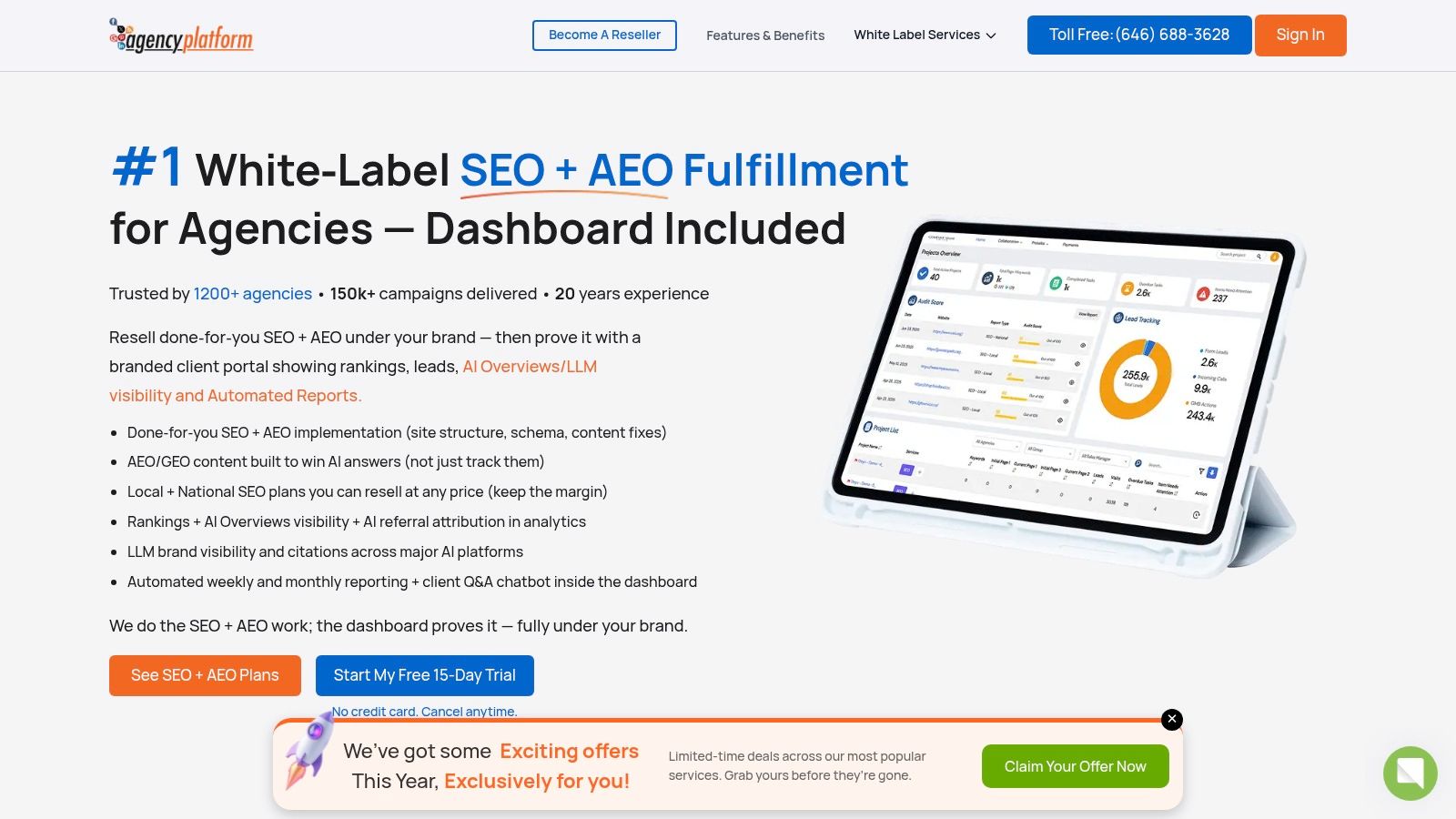
Agency Platform fits agencies that want more than software. It combines a white label dashboard with fulfillment, which matters when your bottleneck isn’t data access but execution capacity.
For agencies selling SEO under their own brand, that model solves a real scaling problem. You don’t have to duct tape reporting, task visibility, local SEO deliverables, content production, and client communication across separate tools and contractors.
Where it fits best
Agency Platform is strongest when your agency wants to sell recurring SEO services without expanding headcount at the same pace. The platform integrates with 25+ marketing tools, and the broader business model is built around reseller delivery, branded dashboards, and operational consolidation.
The commercial structure is also practical for agencies testing a white label model. Pricing starts at $178 per month, it runs month to month, and the trial is 15 days with no credit card. Agency Platform also states that agencies can set their own retail pricing and keep the margin.
Practical rule: If your agency loses time managing vendors, formatting reports, and translating fulfillment into client friendly updates, an integrated white label platform usually creates more leverage than adding another research tool.
Trade offs in the real world
The upside is speed to market. You can package SEO, local SEO, content, links, paid campaigns, social, and web work under one brand experience instead of assembling each service line separately.
The trade off is control. If you prefer doing every strategy call, content brief, and technical fix fully in house, a fulfillment partner changes that workflow. For many agencies, that’s a feature. For others, it feels like giving up part of the process.
What makes Agency Platform especially relevant in the AI search era is positioning. It’s built around white label delivery and branded visibility, which is where many agencies struggle when clients ask for more than rankings. If your priority is margin, service breadth, and account scalability, this is one of the few options that addresses all three in one place.
2. Semrush
Semrush earns its place in agency stacks for one simple reason. It covers a large share of day to day SEO work inside a single platform, from keyword research and technical auditing to rank tracking, competitor monitoring, and reporting. For agencies managing many client accounts, that reduces tool switching and speeds up routine analysis.
That breadth matters more than feature count alone.
Semrush fits agencies that need a central research hub rather than a narrow point solution. Strategy teams can move from a client’s visibility drop into keyword gaps, page level competitor analysis, and site health checks without rebuilding the workflow in three separate tools. In practice, that saves time on mid market retainers where speed and consistency matter as much as specialist depth.
Its relevance in AI search is also becoming clearer. OneLittleWeb’s agency tool roundup notes Semrush’s AI Visibility Toolkit and GEO tracking, which gives agencies a way to monitor how brands appear in AI generated search experiences, not just in classic rankings. That does not replace manual analysis of citations, entity coverage, or answer quality, but it gives teams a starting layer for AEO and GEO reporting.
For agencies still building their keyword research process, Agency Platform’s guide to top SEO tools for keyword research in 2024 is a useful companion resource.
What it does well
Semrush is a good fit for breadth first delivery models. Agencies running technical SEO, content planning, baseline local optimization, and competitive research under one roof can standardize a lot of work inside one interface.
It is also one of the easier tools to operationalize across mixed skill levels. Senior strategists can go deep, while account managers and junior analysts can still pull usable reports without a long ramp up. That matters in agencies where tool adoption often breaks down at the team level, not the software level.
Semrush makes the most sense when your agency wants one core system for many SEO workflows, then adds specialist tools only where client work demands extra depth.
Trade offs agencies should expect
The main trade off is cost expansion over time. Base pricing is only part of the decision. Extra users, project limits, and premium add ons can push the monthly spend higher than expected once the tool is rolled out across multiple teams.
Semrush also stops short of being a full agency operating layer. It supports reporting and workflow visibility, but agencies that depend on heavy white label presentation, branded client portals, or outsourced fulfillment usually pair it with another platform. That is the broader decision framework for this list. Semrush is a strong core suite for research and execution, but not always the final answer for client delivery infrastructure.
3. Ahrefs
Ahrefs earns its place in agency stacks for one reason. It helps teams get to the why behind rankings fast. When a client asks why a competitor page took the top position, Ahrefs usually surfaces the answer through backlink patterns, linking domains, anchor distribution, content gaps, and URL-level performance data faster than broader all-in-one suites.
That makes it a specialist tool with clear agency value. It is strongest in workflows tied to authority analysis, competitive page research, and link-led strategy. Agencies that build recommendations from SERP evidence, not just domain summaries, tend to get more from Ahrefs than teams looking for a client-facing operating system.
Where Ahrefs fits in an agency workflow
Ahrefs works best when the strategist starts with a page, a topic cluster, or a rival domain and needs to trace the signals supporting visibility. It is especially useful for link audits, prospecting, content refresh planning, and identifying pages that deserve promotion because they are already close to breaking through.
In the AI-driven search era, that matters for more than classic blue-link SEO. AEO and GEO work still depends on source visibility, topical authority, and citation-worthy content. Ahrefs helps agencies spot which competitor assets attract links, references, and repeated mentions, then use that evidence to shape content that has a better chance of being surfaced in AI answers.
Teams doing page-level optimization often pair this research with a separate workflow for on-page improvements. For that side of the process, Agency Platform’s guide to on-page SEO tools for better rankings in 2025 is a practical companion.
Trade offs agencies should expect
Ahrefs is less useful as a white-label delivery layer. Agencies that need branded dashboards, client portals, or broad cross-channel reporting usually connect it to another platform rather than forcing it into an account management role.
There is also a focus trade-off. Ahrefs goes deep on backlinks, keyword discovery, and competitive URL analysis, but it does not try to be the full system for every agency function. That is often a strength. If your agency prefers specialized tools for research and a separate platform for reporting, Ahrefs fits cleanly. If consolidation is the top priority, it may feel narrower than an integrated agency platform.
4. Screaming Frog SEO Spider
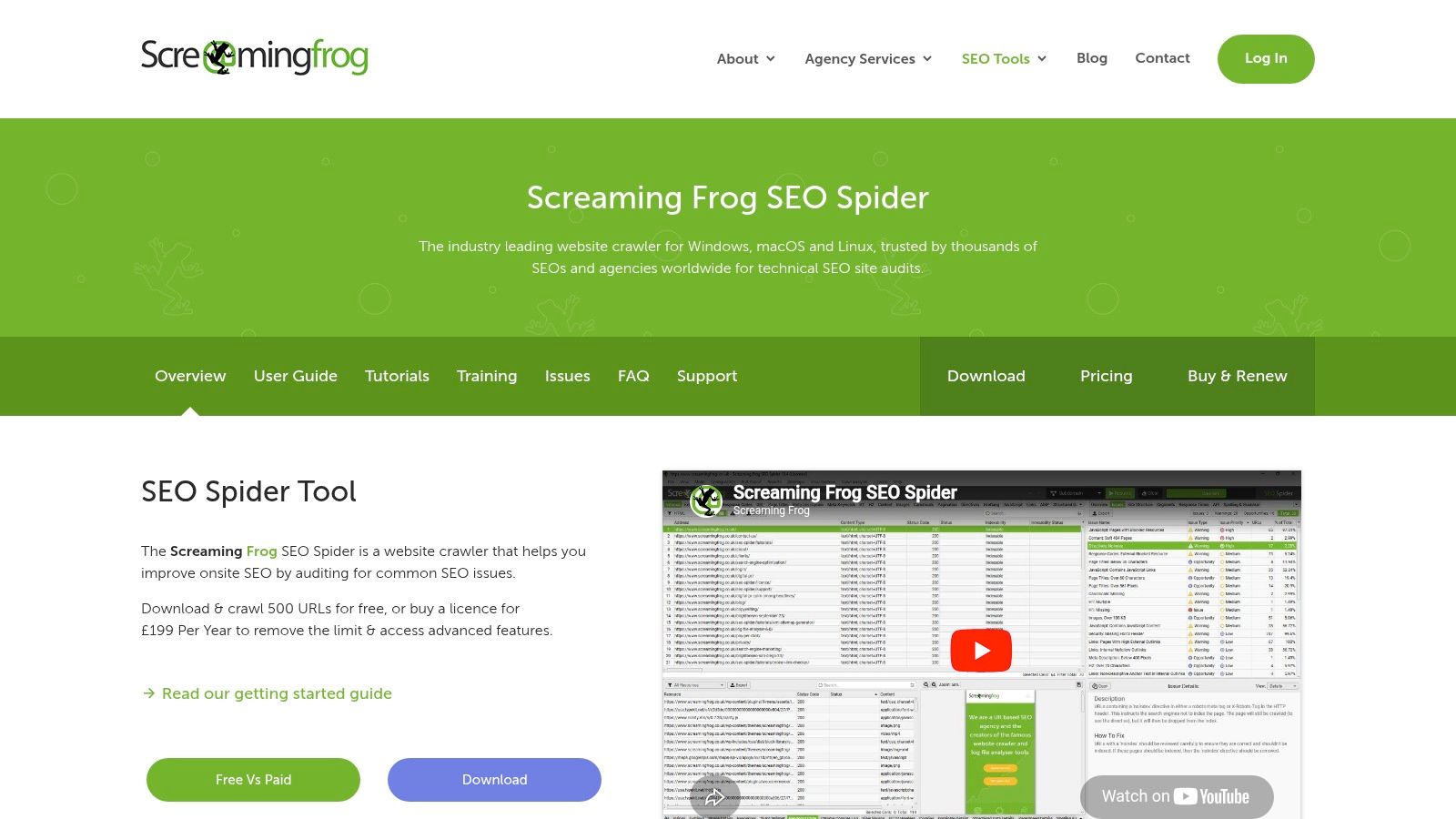
Screaming Frog SEO Spider is the technical audit workhorse. Agencies use it for migrations, redirect mapping, indexation reviews, duplicate analysis, JavaScript rendering, and structured data validation.
This isn’t the platform you buy to impress clients with shiny dashboards. It’s the one you open when a site has a real technical problem and you need evidence.
Why technical teams keep it
Screaming Frog is especially effective when the issue is buried in crawl logic or site architecture. It helps technical SEOs diagnose what broader suites often summarize but don’t expose with enough detail.
That makes it valuable during site launches, redesigns, and recovery work. If your agency handles technical SEO seriously, this tool usually pays for itself quickly through avoided mistakes.
A useful companion read is Agency Platform’s guide to on page SEO tools for better rankings in 2025, which complements the way Screaming Frog supports deeper page and site diagnostics.
The limitation
The learning curve is real. Non technical account managers often find it overwhelming, and large crawls can demand serious machine resources.
When an agency drops Screaming Frog from the stack, technical quality usually gets replaced by surface level checks, not by something better.
5. BrightLocal
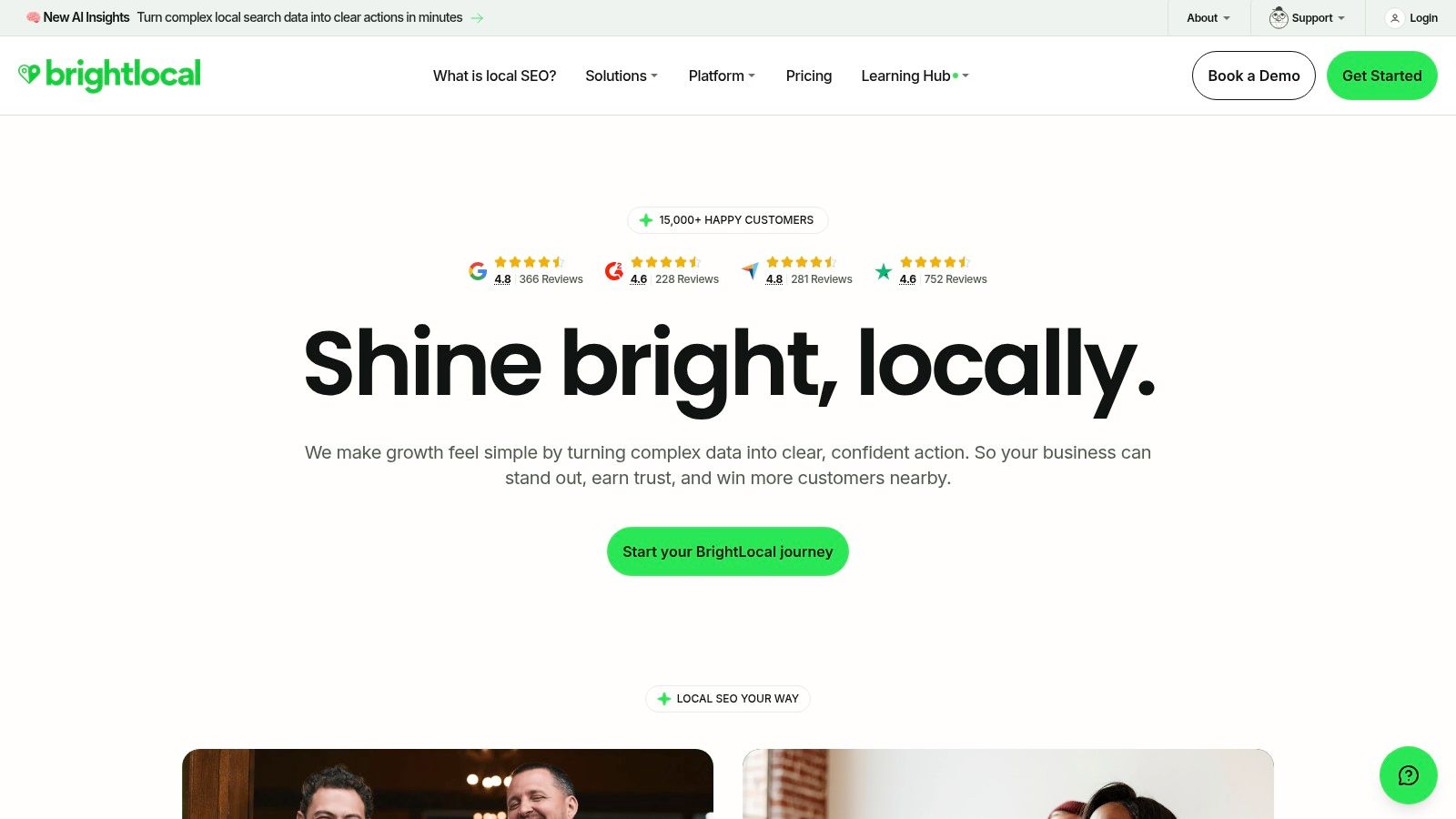
BrightLocal is built for local SEO workflows. If you manage multi location businesses, franchises, or service area brands, a local first tool is often more practical than forcing a general SEO suite to do everything.
Its value is in process. Local rank tracking, GBP monitoring, citation work, and review management are all easier when they live in one local specific environment.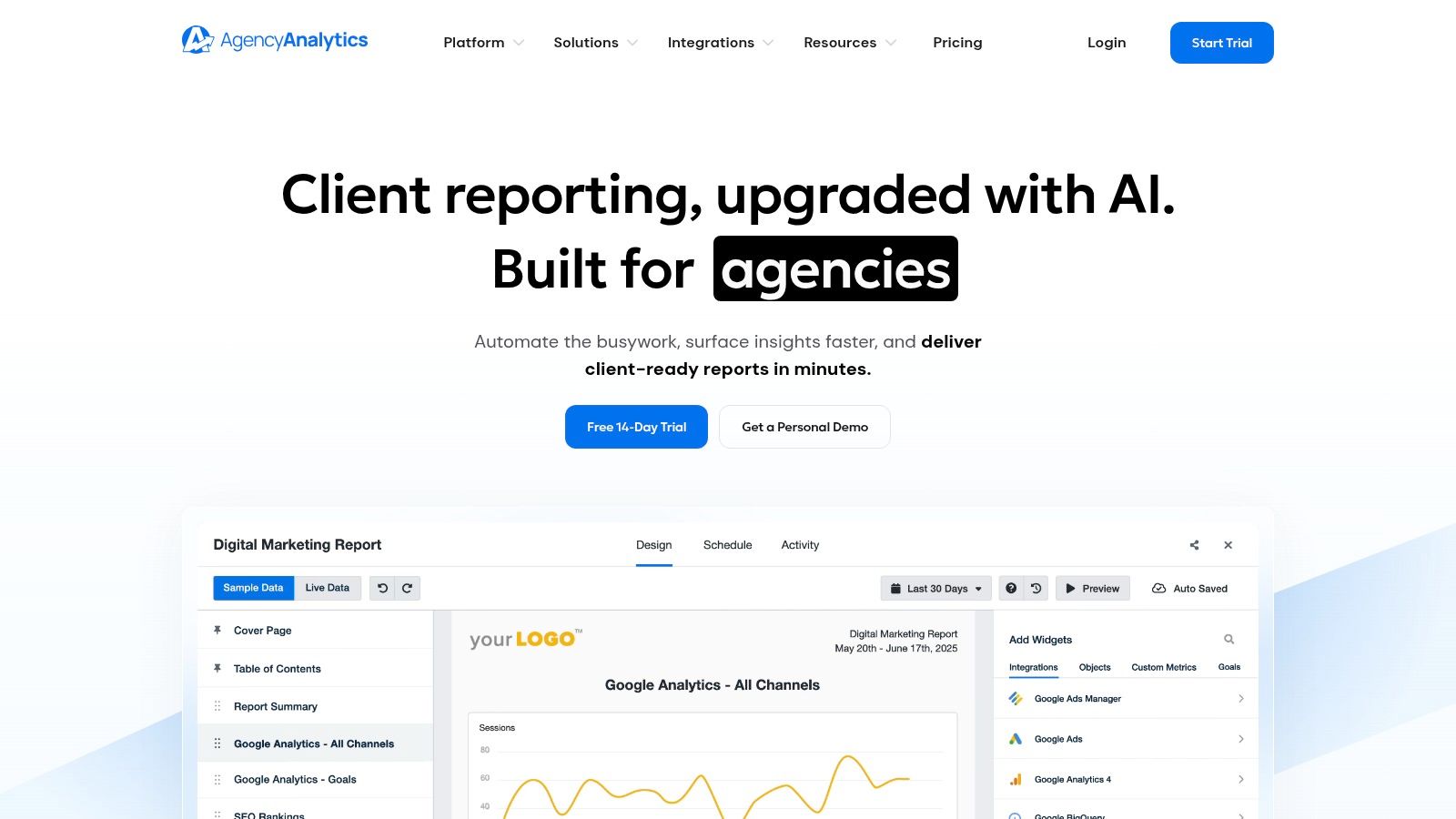
Best use case
BrightLocal makes sense when local visibility is the service, not just one line item in a larger retainer. Agencies focused on map pack performance and location level reporting will get more out of it than agencies doing mostly national SEO.
The geo specific visibility features are also useful for client conversations. Local clients care about street level and service area performance, not just national keyword movements.
Where it falls short
It isn’t a full stack SEO platform. Most agencies still need another tool for broader keyword research, technical crawling, or backlink analysis.
That’s the recurring pattern with agency stacks. BrightLocal is excellent when you know exactly why you need it. It’s not the answer when you’re trying to replace your whole stack with one subscription.
7. SE Ranking
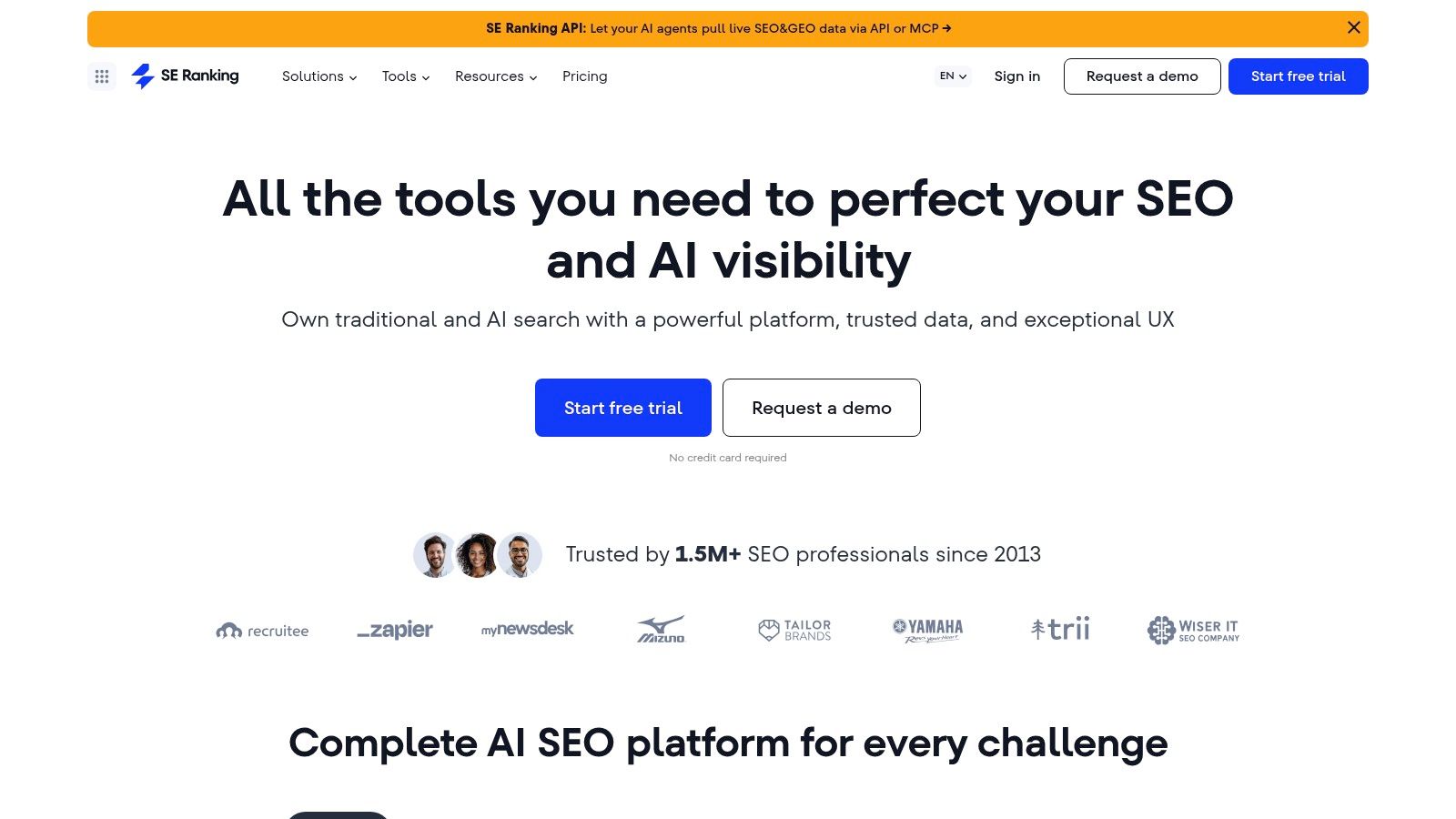
SE Ranking sits in the middle ground that many smaller agencies need. It covers rank tracking, site auditing, keyword research, and agency friendly reporting without the complexity of heavier enterprise tools.
That makes it useful for agencies that want a manageable all around platform before they specialize further. It’s not usually the most advanced option in any single category, but it’s often good enough across several.
Why it’s practical
SE Ranking works well for lean teams that need visibility without overbuying. Daily tracking and white label options matter when you’re servicing multiple clients but still keeping the team compact.
It’s also easier to operationalize than some larger suites. For many agencies, a tool that gets adopted by the whole team beats a more powerful tool that only one strategist fully uses.
Caution point
Agencies working in very competitive verticals or international markets may still prefer larger databases and deeper research environments. SE Ranking is best viewed as a balanced operating tool, not the final answer for every advanced use case.
8. Surfer
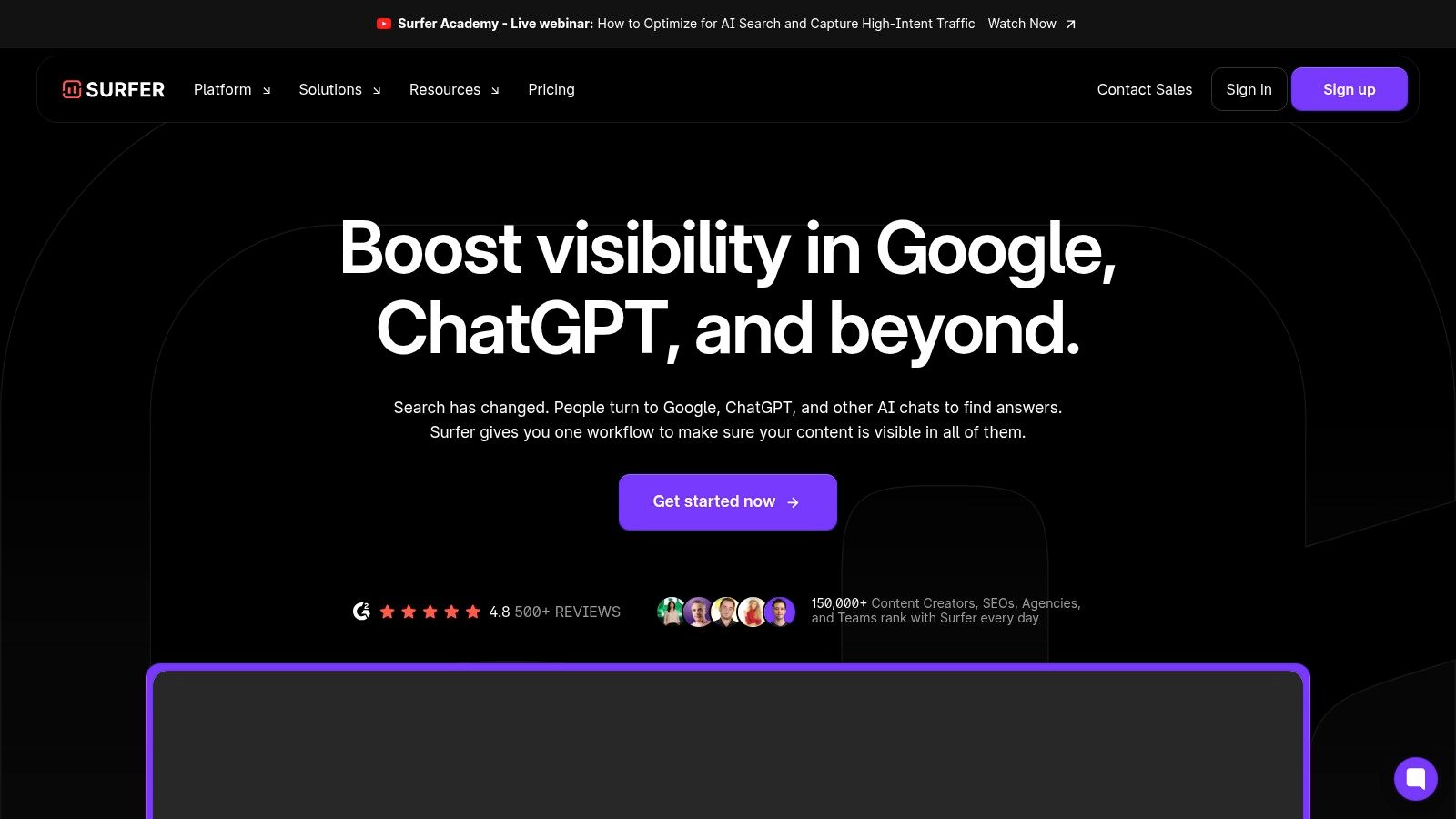
Surfer is one of the easiest ways to standardize on page optimization across writers and account teams. For agencies producing content at scale, that consistency matters more than any single scoring model.
Surfer’s practical strength is workflow control. It gives writers a framework, helps editors catch gaps, and keeps content production aligned to current SERP patterns.
Where it helps most
Surfer is valuable when content quality varies across freelancers, in house writers, and clients who contribute drafts. Instead of relying on individual instincts, the agency can enforce a repeatable optimization standard.
That’s especially useful for agencies pairing SEO content with local landing pages, service pages, or ongoing blog production. The output still needs human judgment, but the floor gets higher.
Where it disappoints
It isn’t a complete SEO suite. Surfer doesn’t replace crawl tools, backlink analysis, or broader reporting infrastructure.
The mistake I see agencies make is trying to build an entire content strategy around a content editor score. Surfer is strongest as a production aid, not as a standalone strategic brain.
9. Majestic
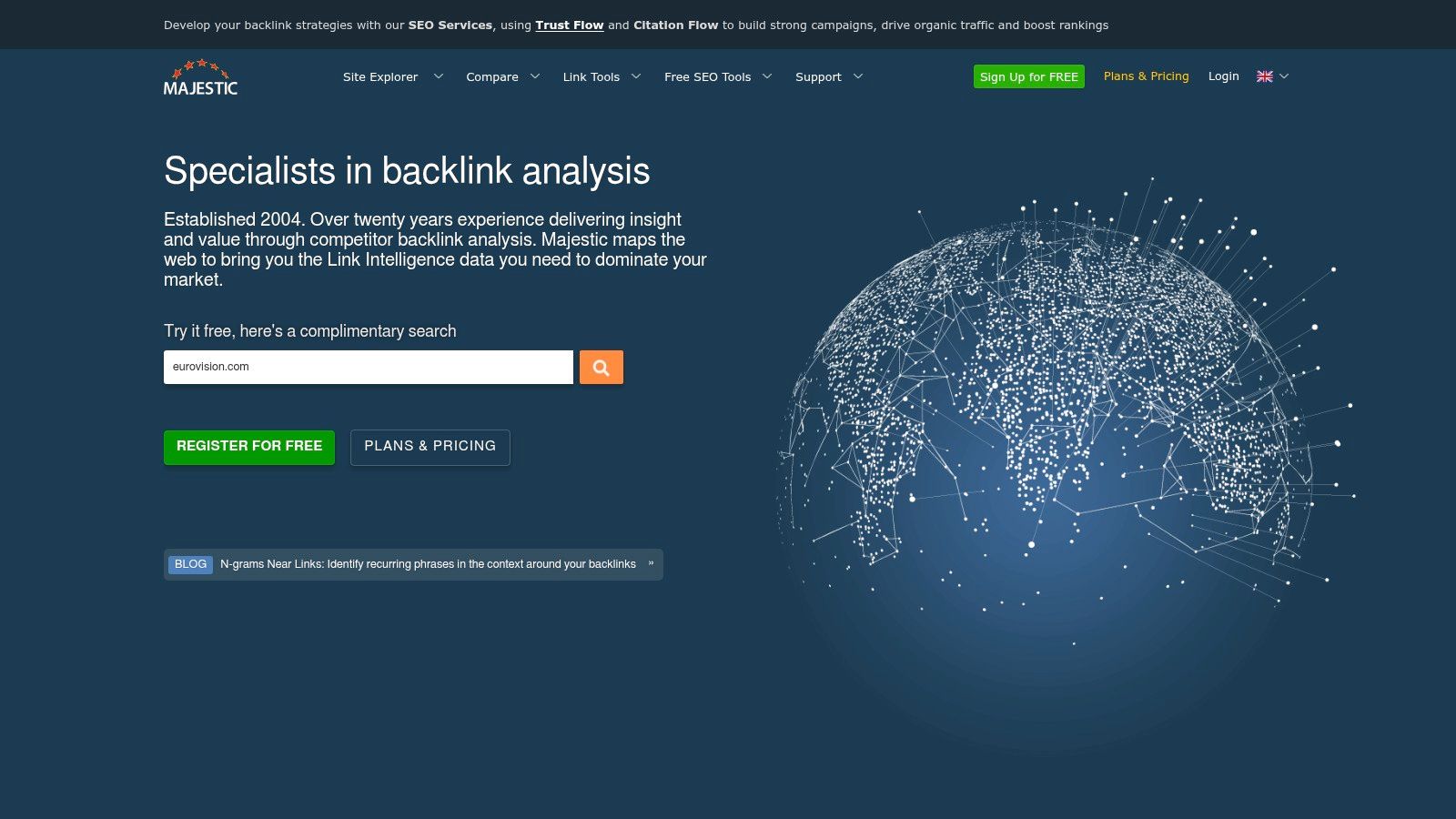
Majestic is still relevant for agencies that care about link profiling. It’s narrower than Semrush or Ahrefs, but that narrowness is the point.
Some agencies don’t need another broad suite. They need a second opinion on link quality, trust patterns, and topical authority signals.
When it earns a seat
Majestic fits link focused agencies, digital PR teams, and consultants who want dedicated link intelligence layered on top of a broader stack. It’s also useful when internal teams have built custom workflows around link metrics and exports.
That specialization can be an advantage. The platform doesn’t try to do everything, which often makes it better at the one job it exists to do.
Limitation to watch
If you’re not actively doing link analysis, prospecting, or backlink forensics, Majestic can become shelfware. This is a specialist tool. Buy it for a specific workflow, not because it belongs on a generic “best” list.
10. Moz Pro
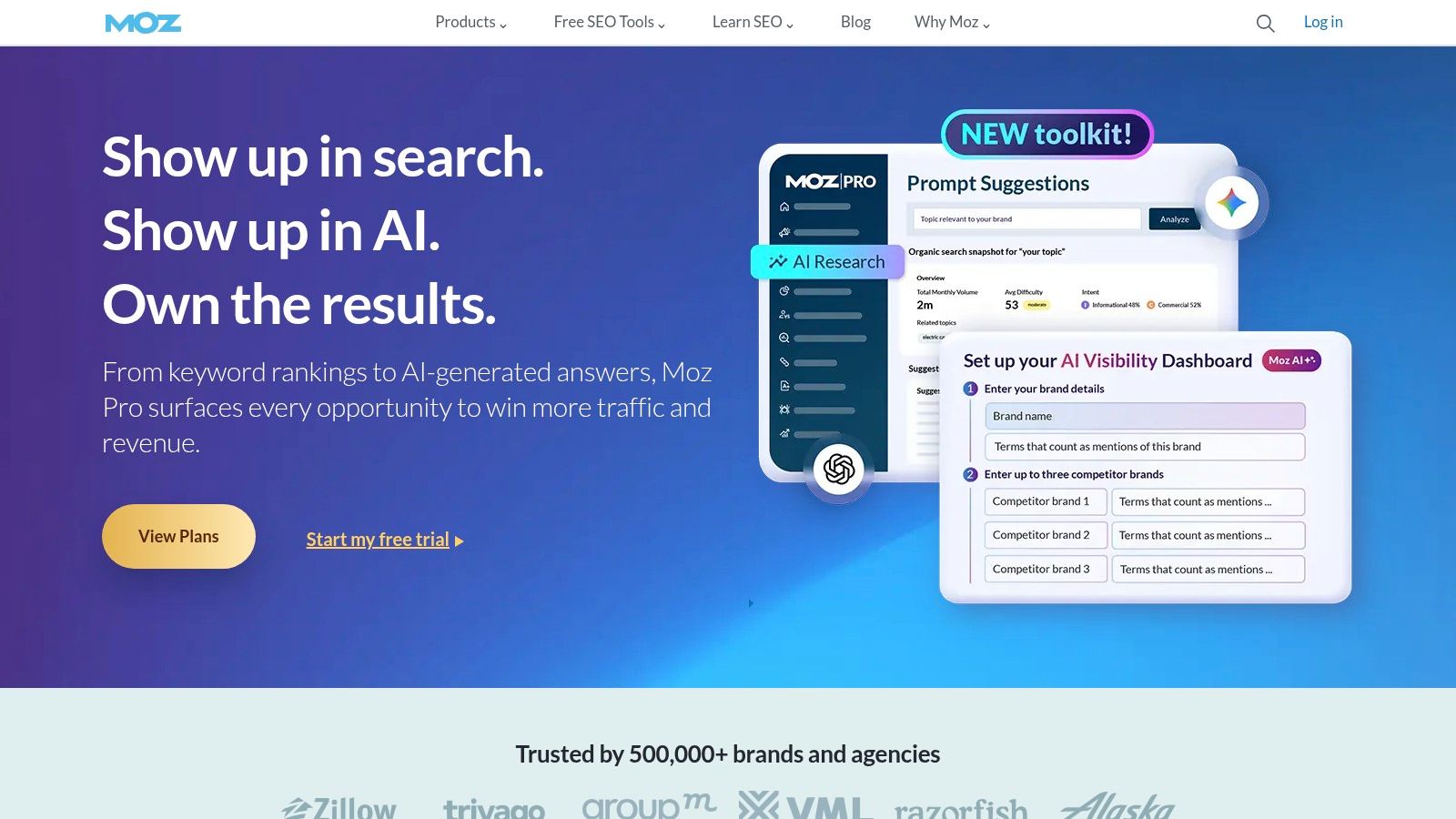
Moz Pro remains a solid mid market SEO suite. It covers the essentials well and still benefits from familiar authority metrics that many clients recognize immediately.
That recognition matters more than some strategists like to admit. Sometimes the best reporting conversation starts with a metric the client already understands.
Why some agencies still prefer it
Moz Pro is approachable. Teams that don’t need a sprawling enterprise interface often find it easier to adopt, train on, and use consistently.
It also works for agencies that want dependable campaign tracking and a straightforward SEO toolkit without chasing every new feature release in the market.
The practical verdict
Moz Pro is rarely the flashiest tool in the stack. It’s the dependable one. For some agencies, that’s enough. For others, especially those needing deeper competitive data or more advanced reporting layers, it becomes a supporting tool rather than the core platform.
Top 10 SEO Agency Tools Comparison
| Product | Core features / Capabilities | UX & Quality (★) | Value / Pricing (💰) | Target audience (👥) | Unique strength (✨) |
|---|---|---|---|---|---|
| 🏆 Agency Platform | White‑label client dashboard + turnkey fulfillment (SEO, AEO/GEO, content, links, paid, social, web) + 25+ integrations | ★★★★★ | 💰 From $178/mo, 15‑day free trial; wholesale margins up to ~80% | 👥 Resellers & agencies scaling recurring revenue without hiring | ✨ Full white‑label + U.S. fulfillment, AI Overviews & LLM visibility tracking |
| Semrush | All‑in‑one SEO + PPC research, audits, rank tracking, reporting | ★★★★☆ | 💰 Mid‑high subscription; add‑ons for advanced modules | 👥 Agencies needing breadth in competitive & PPC intelligence | ✨ Large data sets, client‑ready reports, AI Visibility tracking |
| Ahrefs | Site/URL explorer, massive backlink index, keyword tools, rank tracking | ★★★★☆ | 💰 Premium subscription; usage/seat costs can add up | 👥 Agencies focused on backlink/competitor research | ✨ Industry‑leading link index & fast crawler |
| Screaming Frog SEO Spider | Desktop technical crawler, JS rendering, structured data validation | ★★★★ | 💰 One‑time license (affordable) + paid features | 👥 Technical SEOs, migrations, dev teams | ✨ Deep crawl/custom extraction and API integrations |
| BrightLocal | Local rank tracking, GBP audits, citation building, review monitoring | ★★★★ | 💰 Affordable for local workflows; add‑ons increase cost | 👥 Multi‑location/franchise local SEO teams | ✨ Geo‑grid maps, citation & review automation, white‑label reports |
| AgencyAnalytics | White‑label dashboards & scheduled reports, 80+ integrations, client portals | ★★★★ | 💰 Subscription scales with clients; useful add‑ons extra | 👥 Agencies wanting consolidated client reporting & portals | ✨ Live branded dashboards + easy report automation |
| SE Ranking | Daily rank tracking, site audits, keyword/competitive tools, white‑label options | ★★★★ | 💰 Budget‑friendly for agencies; clear usage limits, add‑ons | 👥 Small → mid‑size agencies seeking all‑in‑one value | ✨ Strong price‑to‑feature ratio + Agency Pack add‑ons |
| Surfer | Content briefs, on‑page editor, SERP analysis, content audits | ★★★★ | 💰 Credit‑based pricing; can rise with heavy publishing | 👥 Content teams & agencies scaling writer output | ✨ Data‑driven briefs, NLP/entity guidance for writers |
| Majestic | Fresh & Historic backlink indices, Trust Flow, bulk link tools, API | ★★★★ | 💰 Specialized tiers; API for heavy users | 👥 Link analysts, outreach and research teams | ✨ Topical Trust Flow & deep historic link data |
| Moz Pro | Keyword research, rank tracking, site crawl, Link Explorer (DA/PA) | ★★★★ | 💰 Mid‑market subscription; higher tiers unlock branding | 👥 Mid‑market agencies & clients requesting DA/PA metrics | ✨ Recognizable authority metrics and straightforward toolset |
The Final Verdict Consolidate or Specialize Your Toolset
Agencies lose margin faster through workflow sprawl than through tool spend alone. The strongest stack is the one your team can sell, operate, report on, and defend in a client call without adding hours of manual cleanup every month.
The decision starts with your delivery model. Agencies selling senior-led strategy, technical audits, digital PR, or content consulting usually benefit from specialized tools. Screaming Frog, Ahrefs, Surfer, and Majestic each do a specific job well, and that depth matters when the work depends on expert judgment. Agencies built around recurring local SEO, white-label fulfillment, or high-volume reporting usually get better returns from consolidation because operational efficiency affects profit as much as rankings.
That distinction matters even more in an AI-influenced search environment. AEO and GEO have increased the value of entity coverage, topical authority, clean site architecture, and structured reporting clients can understand. No single platform handles every part equally well. Some tools still lead in technical crawling or link analysis. Others are stronger at packaging results, coordinating fulfillment, and giving clients one place to review progress.
A bloated stack usually fails in predictable ways. Strategy lives in one tool, rankings in another, backlinks in a third, and reporting in a fourth. Account managers then spend billable time reconciling definitions, exporting screenshots, and translating data between systems. The issue is not access to more data. The issue is keeping delivery consistent across a growing client roster.
Specialize where precision changes outcomes. Consolidate where repetition creates drag.
For highly technical agencies, there is a third path. API-first infrastructure and custom data pipelines give more control over raw datasets, internal dashboards, and proprietary workflows. That setup can make sense for teams with in-house engineering support or unusual reporting requirements. For everyone else, it often creates maintenance work that clients will never pay for directly.
Agency Platform belongs in the consolidation side of the decision. It helps agencies package SEO under their own brand, centralize reporting and fulfillment, and reduce the handoff problems that show up when too many point solutions are stitched together. That is a business operations advantage, not just a feature comparison.
If your current stack feels fragmented, keep the specialist tools that produce clear strategic value. Replace the overlapping layers around reporting, fulfillment, and client visibility. That is usually where agencies recover time, protect margin, and build a stack that still works as accounts scale.